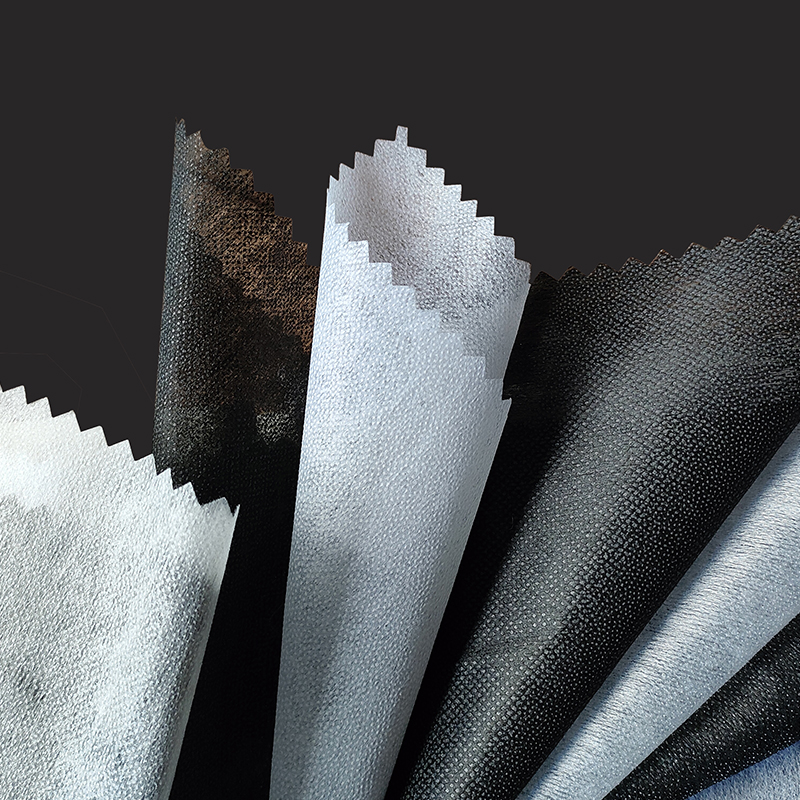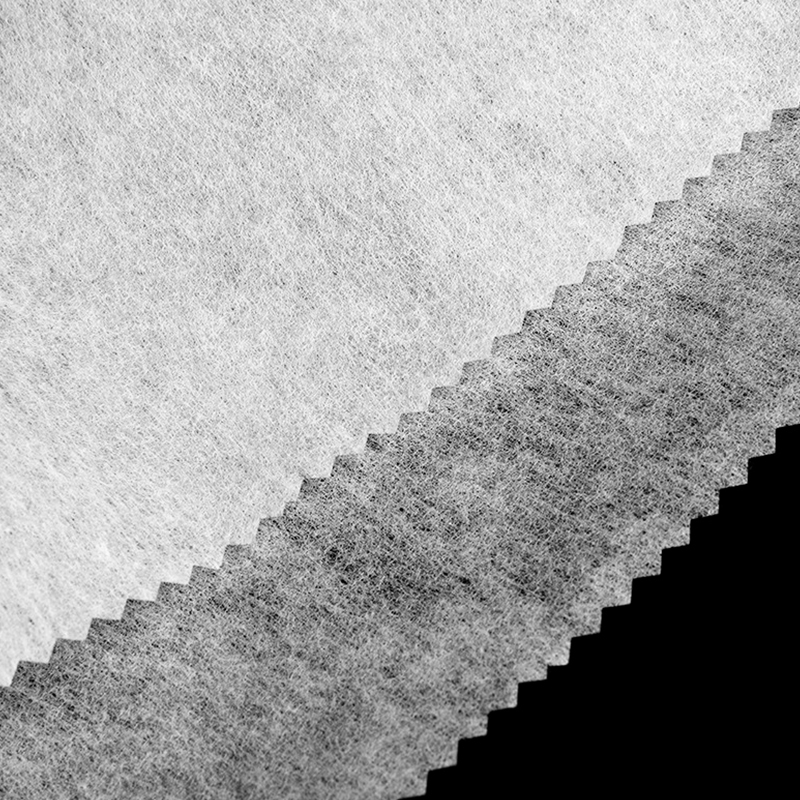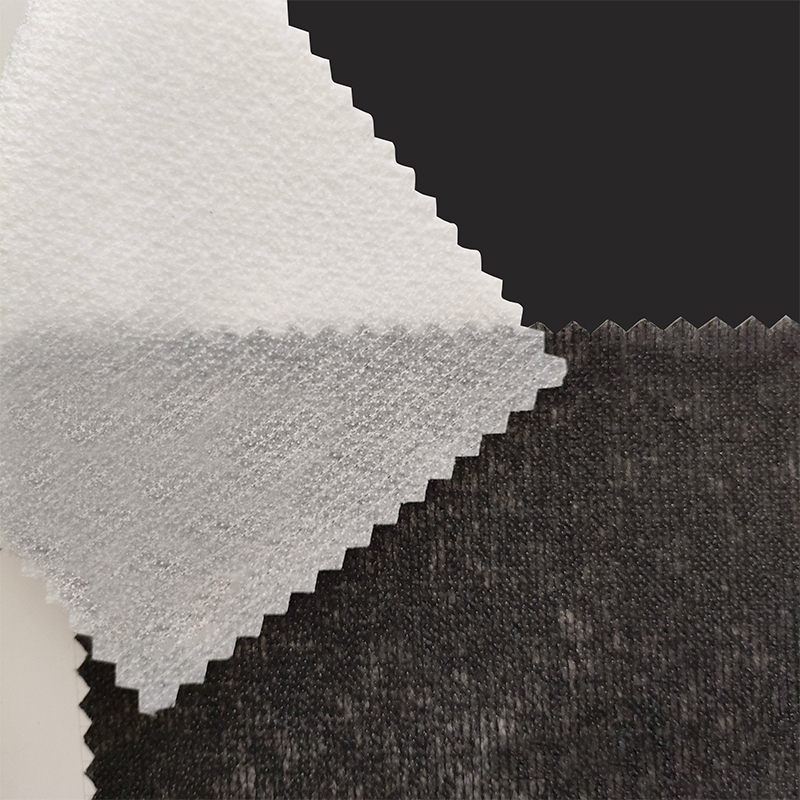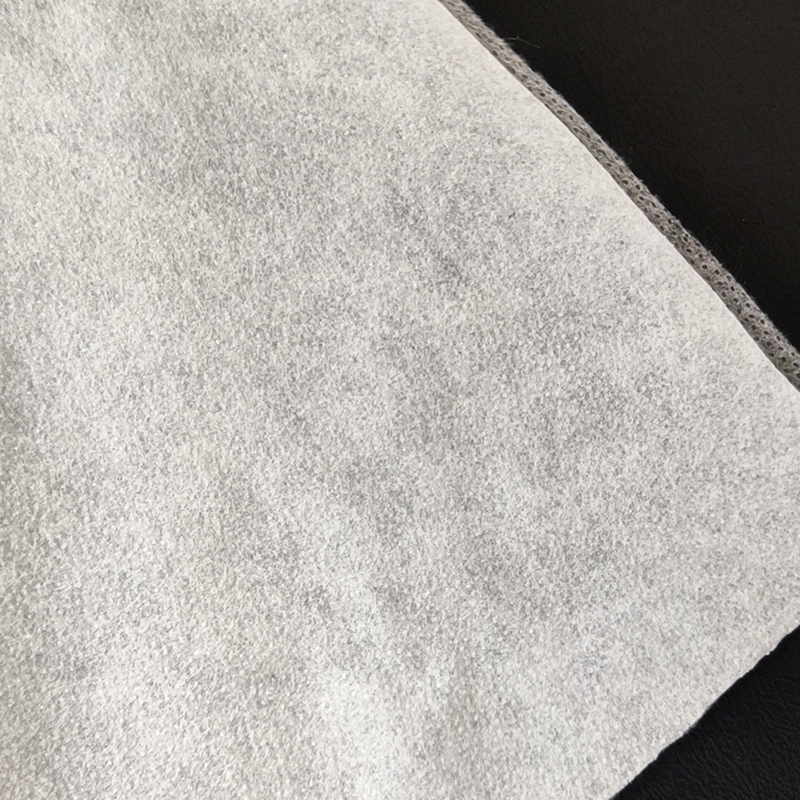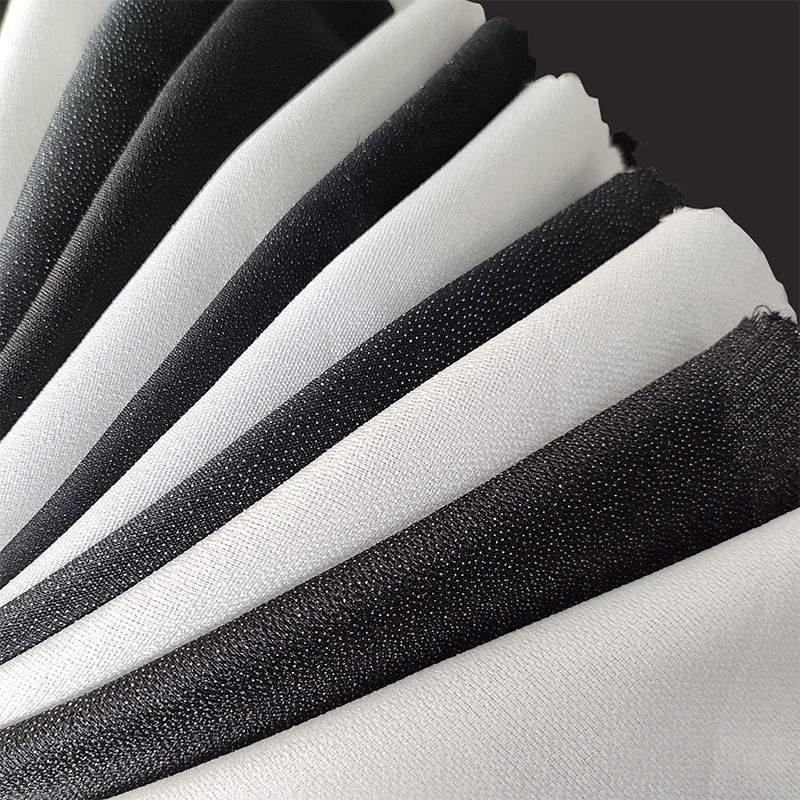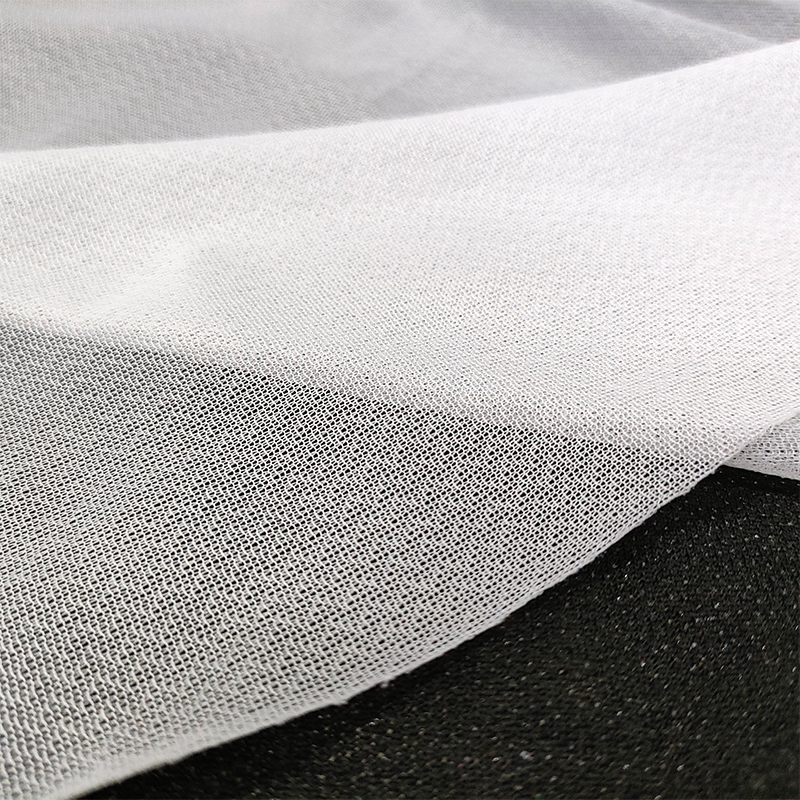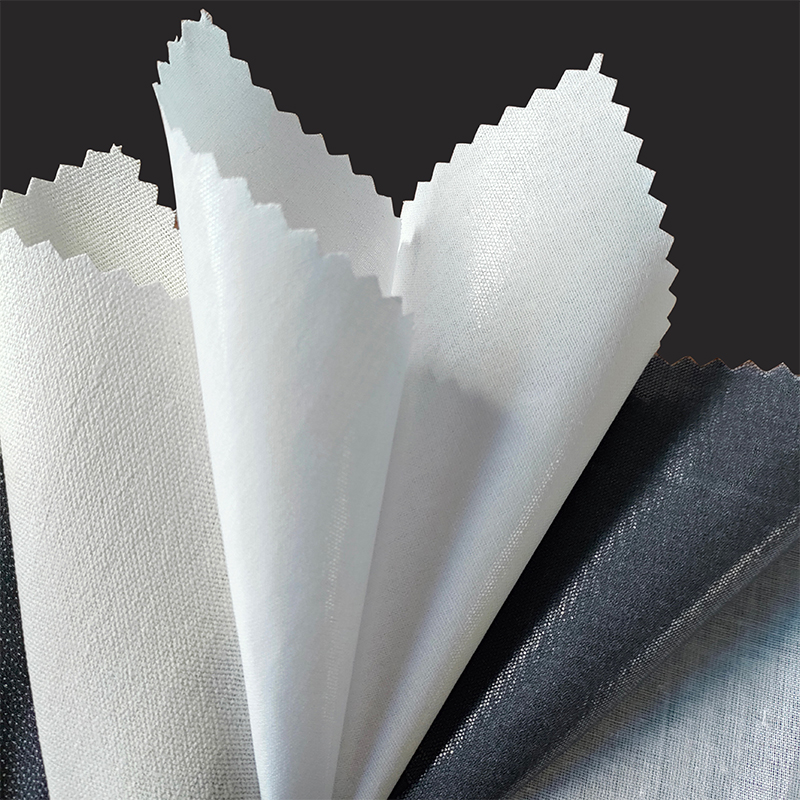
Att göra en midjeväska från grunden är helt möjligt med grundläggande sömnadsfärdigheter. Det mest kritiska steget som skiljer ett diskett, amatörresultat från ett strukturerat, professionellt utseende är att välja och tillämpa rätt interlining . Gör det rätt, och allt annat faller på plats.
Välj yttertyg och mellanfoder innan du klipper
Säkring eller tråckla mellanfoder till alla huvudpaneler först
Sätt ihop fickor, sedan blixtlås och sedan remmar
Sy alla sömmar för rena, hållbara kanter
Material du behöver innan du börjar
Innan du klipper en enda bit tyg, samla ihop allt. Att få slut på blixtlåstejp mitt i projektet eller att upptäcka ditt mellanfoder är fel vikt efter att du redan har klippt det yttre skalet slösar bort tid och ofta tyg. Här är en fullständig uppdelning.
Yttertyg
Det yttre skalet sliter mest. Vaxad duk i 10 till 12 oz vikt är en praktisk utgångspunkt — den stöter bort lätt regn, åldras bra och matar igenom en vanlig symaskin utan problem. Cordura nylon (500D eller 1000D) är ett annat starkt val för en mer teknisk look. Undvik lätt quiltning av bomull för ditt första bygge; utan tungt mellanläggsstöd kollapsar den och ser undergjord ut. Fuskläder fungerar vackert för en strukturerad, elegant finish men kräver en teflon- eller rullfot för att förhindra drag.
- Vaxad canvas 10–12 oz: Klassisk, hållbar, vattentät
- Cordura 500D/1000D nylon: Lätt men extremt nötningsbeständig
- Imiterat läder / PU: Elegant finish, strukturerad naturligt
- Canvas ankduk: Budgetvänlig, tar färg och målar bra
Interlining och gränssnitt
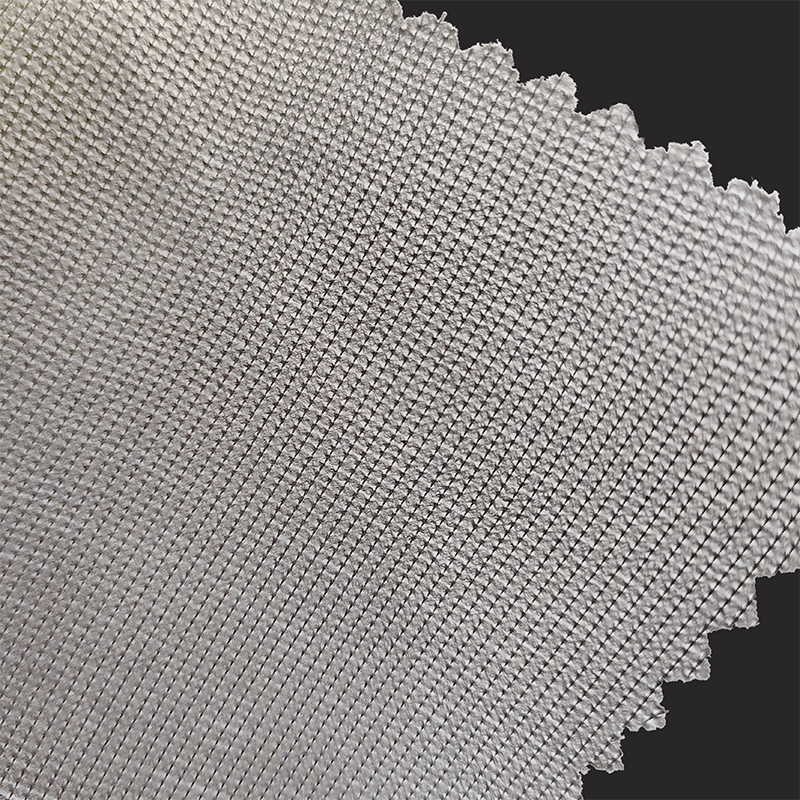
Mellanfoder är lagret som fästs eller sys på fel sida av ditt yttertyg innan konstruktionen börjar. Den tjänar tre syften: den ger mer kropp så att väskan håller sin form, den förhindrar sömsmån från att synas igenom som åsar på utsidan, och den förstärker spänningspunkter som fästzoner med blixtlåstejp. För en midjeväska, vävt smältbart mellanfoder vid medelvikt (som Pellon 931TD eller Vilene G700) är det mest förlåtande alternativet. Non-woven smältbart mellanfoder är billigare men kan spricka längs viklinjer med tiden. Foam mellanfoder (som Pellon Flex-Foam) lägger till en vadderad, taktil kvalitet som fungerar särskilt bra på frontpanelen. Om du använder en styv utsida som vaxad duk räcker det med ett lätt mellanfoder - det yttre bär strukturen. Med mjukare tyger som ripstop nylon, ta steget upp till ett medelfast vävt mellanfoder.
- Vävt smältbart mellanfoder (medium): Bästa universalvalet
- Non-woven smältbar: Budgetalternativ, inte för högflexibla paneler
- Skum mellanfoder (1/8 tum): Lägger till vaddering på frontpanelen
- Insydd mellanfoder: Föredraget för läder eller värmekänsliga tyger
| Objekt | Ungefärlig kvantitet (för 1 påse) | Anteckningar |
|---|---|---|
| Yttertyg | 0,5 m (18 tum x 54 tum) | Mer för riktningsmönster |
| Fodertyg | 0,5 m | Ripstop nylon eller nylon taft |
| Mellanfoder (smältbart vävt) | 0,5 m | Klipp samma som ytterbitar |
| YKK dragkedja (huvudfack) | 1 x 20–22 cm | #5 spole, nylon eller metall |
| Dragkedja framtill | 1 x 15 cm | #3 spole |
| Justerbart spänne (sidosläpp) | 1 x 38 mm eller 50 mm | Acetalplast eller metall |
| Reglage (justerare) | 1 x matchande bredd | Matcha till remmens bredd |
| Webbing rem | 120–140 cm | Nylon eller bomull, 38 mm eller 50 mm bred |
| D-ringar | 2 | Tillval, för att bära över kroppen |
| Tråd | 1 spole | Polyester för styrka |
Göra mönstret: Mått och layout
En vanlig midjeväska för vuxna sitter bekvämt över framsidan av kroppen när remmen är mellan 90 cm och 130 cm , justerad helt stängd till helt utdragen. Själva väskans kropp är vanligtvis 22–25 cm bred, 14–16 cm hög och 5–8 cm djup (kilen). Nedan är mönsterbitarna du behöver rita.
Klipp 1 ytter, 1 mellanfoder, 1 foder. Rundade hörn (radie ~2,5 cm) ser mer raffinerade ut och är lättare att sy snyggt.
Samma form som framsidan. Klipp 1 ytter, 1 mellanfoder, 1 foder. Bandöglorna fästs på bakpanelens sidor.
Detta sveper runt tre sidor (botten och två kortändar). Klipp 1 ytter, 1 mellanfoder, 1 foder. Skåra vid varje hörnsväng.
Två remsor flankerar huvuddragkedjan upptill. Dessa tar avsevärt påfrestningar - använd mellanfoder som är något smalare än själva remsan.
Klipp 1 ytter, 1 mellanfoder, 1 foder. Inrymmer en kortare dragkedja. Applicera mellanfoder innan du fäster på frontpanelen.
Små flikar som håller bandet mot bakpanelen. Använd dubbelvikning med en träns för att förstärka.
Lägg till 1 cm sömsmån på alla sidor om inte ditt mönster redan innehåller det. Skriv ut eller rita på papper först och klipp sedan från kartong för en återanvändbar mall. Markera fibrerna tydligt - mellanfodret ska skäras på samma fibrer som yttertyget för att förhindra rynkningar efter smältning.
Hur man applicerar interlining på rätt sätt
Detta steg definierar om din färdiga väska ser handgjord eller professionell ut. Dålig applicering av interlining - bubblor, ojämn vidhäftning eller fel viktval - syns direkt i det färdiga stycket. Tillbringa tid här och resten av bygget är mycket mer givande.
Testa först på skrottyg
Klipp en 10 cm fyrkant av ditt yttertyg och en matchande bit mellanfoder. Pressa med ett torrt strykjärn vid den temperatur som rekommenderas på mellanfoderförpackningen (vanligtvis runt 150°C för vävda smältbara typer). Håll strykjärnet stilla i 10–15 sekunder per sektion – glid inte över det. Låt den svalna helt och försök sedan dra av hörnet. Om den lyfter lätt, öka temperaturen eller håll tiden. Om yttertyget svider eller glänser, minska värmen och använd en tryckduk.
Skär mellanfodret 2–3 mm mindre än ytterpanelen
Att trimma mellanfodret något mindre än ytterstycket håller limmet borta från kanterna, vilket innebär att dina sömsmåner viker sig rent utan att det klibbiga mellanfodret stör pressarfoten eller blir gummiaktigt i nålområdet. Detta är ett professionellt skräddarknep som är direkt tillämpligt på påstillverkning. Markera skärlinjen genom att minska det yttre mönstret på alla sidor med 2 mm innan du skär.
Säkring med en pressduk och fuktig trasa för ånga
Lägg yttertyget med avigsidan uppåt på din strykbräda. Placera mellanfodret med limsidan nedåt (den något grövre eller blankare sidan). Täck med en torr pressduk och lägg sedan en lätt fuktad muslinduk ovanpå. Tryck hårt — applicera tryck nedåt, inte en svepande rörelse . Ångan från den fuktiga trasan aktiverar limmet jämnare än enbart ett ångstrykjärn. Arbeta i sektioner på cirka 10 cm, överlappande något. Låt varje panel svalna platt innan du flyttar den.
Hantera böjda paneler annorlunda
De rundade hörnen på de främre och bakre panelerna behöver mellanfodret klippt eller skårat efter smältning så att det ligger plant. Kläm fast inom 3 mm från sömlinjen vid de böjda sektionerna innan du börjar konstruera något. För skummellanfoder specifikt, använd en roterande skärare i stället för en sax för kurvan - det komprimerar skummet mindre och lämnar en renare kant.
När ska man använda insydd mellanfoder istället
Smältbar interlining är inte alltid lämplig. Om ditt yttertyg är äkta läder, värmekänslig belagd nylon eller något material där strykjärnet skulle orsaka skada eller missfärgning, använd istället ett insytt mellanfoder. Klipp den i samma storlek som ytterstycket (ej klippt), tråckla det sedan på avigsidan av yttertyget 3 mm från de råa kanterna med lång stygnlängd. Efter tråckelbehandling, behandla yttertyget och mellanfodret som ett stycke för alla efterföljande konstruktionssteg.
Bygga framfickan med dragkedja
Den främre blixtlåsfickan monteras helt som en egen underenhet innan den fästs på frontpanelen. Detta håller konstruktionen ren och gör det mycket lättare att sy snyggt.
- Säker ihop mellanfodret på avigsidan av framfickans ytterstycke. Trimma och tryck till enligt beskrivningen ovan.
- Placera dragkedjan nedåt längs den övre kanten av fickans ytterstycke (räta mot rätsidan). Lägg fickfodret ovanpå och lägg ihop blixtlåstejpen. Sy igenom alla tre lagren med en dragkedjasfot, 5 mm från blixtlåständerna .
- Tryck på öppna och sticka 2 mm från vecket på utsidan för att hålla tyget borta från blixtlåständerna.
- Upprepa steg 2 och 3 för dragkedjans nedre kant och bakfickan (om du bygger en dubbelsidig framficka) eller helt enkelt vik och avsluta nederkanten med en 1 cm fåll.
- Rikta in den monterade frontfickan mot frontpanelens yttre del. Nåla och tråckla runt sidorna och botten 5 mm från kanten. Fickan behandlas nu som en del av frontpanelen för alla efterföljande steg.
En dragkedja uppgradering gör en märkbar skillnad i det färdiga utseendet. Byt ut lagerdragarna mot öglor i läder eller paracord-drag i metall - en liten detalj som signalerar avsiktligt hantverk.
Montering av påskroppen steg för steg
Med alla paneler mellanfodrade och framfickans underenhet färdig, kommer huvudenheten samman i en logisk sekvens. Att skynda på den här sekvensen är den vanligaste källan till misstag.
Fäst dragkedja på kilband
Sy en kilremsa på varje sida av dragkedjans huvudtejp, räta mot varandra. Tryck bort sömmen från dragkedjan. Topstitch. Den sammansatta dragkedjan förbinder nu väskans övre öppning. Låt blixtlåset vara delvis öppet — du måste vända påsen med rätt sida ut genom den i slutet.
Anslut Gusset till frontpanelen
Nåla fast huvudkilremsan (botten och sidorna) på frontpanelen, matcha skårorna mot hörnen. Kläm eller hacka kilen i hörnen för att hjälpa den att böja sig runt de rundade kanterna utan att dra. Sy med 1 cm sömsmån. Grada sömmen genom att trimma mellanfodrets sömsmån till 5 mm – detta minskar volymen inuti sömmen och förhindrar att åsar syns på utsidan.
Fäst blixtlåsremsan på frontpanelen
Nåla fast den sammansatta blixtlåsremsan mot den övre kanten av frontpanelen, rikta in råa kanter. Sy vid 1 cm. Kontrollera att dragkedjan är vänd utåt korrekt innan du gör den här sömmen - det är irriterande att ta upp. Upprepa hörnklippningen och sömmen enligt ovan.
Sy bakpanelen på den andra sidan av kilen
Detta stänger huvuddelen. Nåla fast den bakre panelen vid de öppna kanterna på kilen och blixtlåsremsan. Sy hela vägen runt. I detta skede är påsens exteriör komplett som ett skal. Grada sömmar och klipp kurvorna igen.
Konstruera fodret
Montera fodret i samma ordning (framfoder till kilfoder till foder bak) men lämna en 10 cm vridspalt i den nedre kilsömmen. Lägg inte till mellanfoder till foderdelarna - fodret är tänkt att glida smidigt och att lägga till bulk stör det. Pressa upp alla fodersömmar.
Sätt in fodret i det yttre skalet
Med det yttre skalet rät ut och fodret avigt ut, sätt in fodret i det yttre. Dragkedjans kanter på den yttre och den övre råa kanten av fodret ska passa in. Nåla ihop dessa kanter och sy sedan hela vägen runt blixtlåsöppningen vid 8 mm. Klipp sömmen till 5 mm. Vänd åt höger genom blixtlåsöppningen. Tryck ned fodret och sy sedan ihop vändspalten i fodret för hand.
Efter vändningen, använd en spetsvändare för att trycka ut hörnen helt. Sy ihop runt hela blixtlåsöppningen kl 3–4 mm från den vikta kanten . Denna sista stickning håller fodret på plats och ger blixtlåsöppningen dess rena, färdiga utseende.
Fästa remsystemet och hårdvaran
Remmen är den mest strukturellt belastade delen av väskan. Alla dragkrafter från att bära väskan koncentreras vid remmens fästpunkter. Dessa sömmar måste vara de starkaste i hela bygget.
Att göra remslingorna
Varje remögla är ett litet tygrör som sveper runt bakpanelens sidor och håller den justerbara remmen. Vik 5 cm x 8 cm biten på mitten på längden, avigsidorna ihop. Öppna och vik sedan varje rå långkant till mittvecket. Vik igen (som en viktejp) och sy längs båda kanterna. Trä en D-ring eller sidofrigöringsspänne genom den färdiga öglan och vik på mitten. Tråckla på påsens sida vid sömmen innan det sista monteringssteget.
Mellanfodret som används för bandöglorna bör vara en styv vävd typ för att förhindra att tyget viker sig under belastning. Många erfarna påstillverkare hoppar över smältbaren och använder ett enda lager av väv som klipps till samma bredd inuti öglan - ännu starkare.
Tråding the Webbing
Klipp av bandremmen till 130 cm för en midjerem , eller upp till 150 cm för crossbody slitage. Värmeförsegla eller smält ändarna med en tändare för att förhindra fransning. Trä ena änden genom skjutreglaget (justeraren), sedan genom honsidan av sidofrigöringsspännet, tillbaka genom skjutreglaget. Trä den andra änden genom hansidan av sidofrigöringsspännet och ögla tillbaka det 5 cm. Bartack öglan säkert med en maskinsicksacksöm på längden 0 (maximal täthet) och 4 mm bredd, sy fram och tillbaka minst 4–5 gånger. Tränsen på varje ände av remmen ska hålla en provbelastning på minst 20 kg utan att glida — om du kan dra isär den för hand räcker tränsen inte till.
Fäst på väskan
Trä varje remögla genom motsvarande ring på remmens hårdvara. Vik öglan över och sy en boxsöm (en rektangel med ett X genom) genom alla lager. Använd en jeans- eller lädernål och polyestertråd. Sy boxsömmen två gånger — den andra passagen fäster tråden stadigt och fyller eventuella luckor i den första passagen. Dra ordentligt på båda sidor för att testa innan du anser att påsen är färdig.
Att välja rätt mellanläggsvikt för olika påspaneler
Inte varje panel i en midjeväska behöver samma mellanfoder. Över-interlined kil blir för styv för att sy runt hörnen. Underlinjeformade frontpaneler kollapsar och ser billiga ut. Så här matchar du interliningvikten till varje panels funktion.
| Panel | Rekommenderad interlining | Varför |
|---|---|---|
| Frontpanel | Medelfast vävd smältbar ELLER skum mellanfoder | Håller formen, ger visuell struktur |
| Bakpanel | Mellanvävd smältbar | Struktur utan överdriven tjocklek |
| Gusset | Lätt vävd smältbar | Behöver flexa runt hörnen; tungt mellanfoder motstår böjning |
| Blixtlåsband | Mellanvävd smältbar, narrower than strip | Förstärker blixtlåstejpfästet; hindrar remsan från att förvrängas |
| Framficka yttre | Lätt till medium vävd smältbar | Fickan ska öppnas och stängas lätt - för styv är ett problem |
| Remöglor | Styvt vävt insytt ELLER innerband | Maximalt belastningsmotstånd; smältbar ensam inte tillräckligt stark här |
Två populära interlining-märken är värda att nämna specifikt. Pellon (tillgänglig allmänt i nordamerikanska tygbutiker) och Vilene (den europeiska/UK-motsvarigheten, säljs under Freudenberg-gruppen) producerar båda vävda och icke-vävda smältbara mellanfoder i en mängd olika vikter. Pellons vävda smältbara linje (SF101 för lätt, 931TD för medium) är särskilt välrenommerad i påstillverkare. Vilenes G700-serie är motsvarigheten för europeiska tillverkare. Båda märkena producerar interlining speciellt märkt för väskor och accessoarer — leta efter detta istället för att välja mellanfoder, som är konstruerat för att drapera snarare än för kropp.
Efterbehandlingsdetaljer som lyfter slutresultatet
Skillnaden mellan en väska som ser handgjord ut på ett bra sätt och en som ser amatörmässig ut beror vanligtvis på tre efterbehandlingsbeslut: konsistens för stickning, hörnkvalitet och hårdvara.
Använd en stickningsnål (storlek 90/14 eller 100/16) och en längre stygnlängd (3,5–4 mm). Sätt en sömguide eller använd maskeringstejp på halsplattan för att hålla din sömlinje på ett konstant avstånd från kanten - vanligtvis 3–5 mm. Sväng aldrig och starta om vid hörn; sakta istället ner hastigheten och låt tyget vända sig naturligt med nålen nedåt som svängpunkt. Detta ger en enda kontinuerlig linje snarare än överlappande stygnsegment i hörnen.
Efter att ha vänt rättsidan ut, sätt in en spetsvändare eller en trubbig penna i varje hörn och arbeta utåt gradvis. Att trycka över en skinka eller rullad handduk efter vändning hjälper de rundade hörnen att anta sin slutliga form. När de väl är pressade och formade ska de stanna på plats utan att behöva hållas. Om hörnen fortsätter att kollapsa inåt är mellanfodret för lätt för yttertyget som används.
Spännen och reglage för sidosläpp finns i plast och metall. För en väska avsedd att hålla år, hårdvara i mässing eller zinklegering är värt kostnadsökningen jämfört med acetalplast. Nita i stället för att sy svärdstag varhelst vävbandet slingrar sig tillbaka genom hårdvarufästpunkterna – nitar håller utan någon trådtrötthet och överlever de tusentals öppningar och stängningar en väska upplever under sin livstid. En läderstans och seter-set kostar under $20 och gör detta steg enkelt.
Om din väska är avsedd att vara vattentät, applicera en tunn sträng av sömtätare (som McNett Seam Grip eller Gear Aid) längs de inre sömmarna i huvudfacket efter att konstruktionen är klar. Detta binder till både fodret och tråden och förhindrar att fukt tränger in genom nålhålen. Det är särskilt värt att göra vid bottensömmen, som är mest utsatt för regnstänk och ytvatten.
Designvariationer värda att utforska efter din första konstruktion
När du väl har gjort en midjeväska och förstår hur delarna samverkar, öppnar anpassningen av mönstret upp en hel del kreativt territorium.
Lägg till a middle divider gusset (cut the same width as the main gusset, 7 cm, and sewn across the interior before the lining is inserted) to split the main compartment into two sections. This is useful for keeping a phone and valuables separate. The divider panel should also use a light interlining to give it enough body to stand upright without assistance.
Byt ut det vanliga 38 mm bandet mot ett längre 150 cm band och fäst en liten D-ring i den övre kanten av bakpanelen. När den bärs crossbody med väskan på höften, möjliggör den längre remmen bekväm positionering utan att åka upp. Detta kräver att man lägger till en förstärkt D-ringflik till bakpanelsmönstret - en 4 cm x 6 cm rektangel av yttertyg, mellanfodrad med den styva vävda typen, vikt och sydd runt D-ringen innan den sätts in i bakpanelens övre söm.
Innan du sätter i fodret, sy en kortplatspanel på fodrets frontpanel. Det här är helt enkelt en bit fodertyg som är fållad upptill och uppdelad i 8–9 cm breda slitsar av vertikala sömmar. Varje kortplats rymmer ett kort, transitkort eller vikt sedel. Panelen lägger nästan ingen tjocklek men förbättrar väskans funktionalitet avsevärt. Applicera ett mycket lätt insydd mellanfoder på kortplatspanelen så att fickorna behåller sin form när de är tomma.
För en mer skulpturell look, använd termoplastiskt mellanfoder (säljs som Wonderunder eller Peltex 70 - en styv icke smältbar skumskiva). Klipp den till den exakta formen på frontpanelen, sy sedan yttertyget och fodret över det som att stoppa en kudde. Detta skapar en styv framsida, mjuk baksida som är populär i high-end väskdesign. Observera att maskinsömnad genom Peltex kräver en kraftig nål (110/18) och något lägre hastighet .
Vanliga frågor om att göra en midjeväska
Ankduk av bomullsduk (cirka 8 oz) med ett medelhög smältbart mellanfoder är den enklaste kombinationen. Den matar smidigt, håller stift bra, trycker rent och är förlåtande för lite ojämna sömsmåner. Undvik belagda eller laminerade tyger tills du är säker på montering av blixtlås och hörnarbete.
Ett styvt yttertyg (som tung vaxad canvas eller tjockt läder) behöver kanske bara ett lätt mellanfoder - eller i vissa fall inget - på fram- och bakpanelerna. Dock bör dragkilbanden och remslingorna fortfarande vara förstärkta oavsett yttertygets vikt. Dessa områden tar koncentrerad stress som inte ens ett styvt tyg kan hantera ensamt över tid utan baksida.
Förtvätt både yttertyget och mellanfodret innan du klipper och smälter. Båda kommer att krympa något i tvätten, och om bara den ena har förtvättats kommer den andra att orsaka bubblor och rynkningar första gången den färdiga påsen blir blöt. Smältbart mellanfoder är tvättbart efter korrekt limning, men torktumling bör hållas under 60°C för att förhindra att lim återaktiveras och separerar.
Ja, men ett vanligt hushållsjärn med platt sula fungerar bättre än ett resestrykjärn som ofta saknar jämn värmefördelning. Om du gör påsar regelbundet gör en skräddarskinka och en ullpressduk som standardutrustning en betydande skillnad i bindningskvaliteten. En klaff (ett träblock som pressas omedelbart efter strykningen) hjälper till att göra sömmarna skarpa utan extra värme - värt att ha för tjocka yttertyger.
Använd en 90/14 universalnål för canvas och de flesta vävda tyger med mellanfoder. Stega upp till 100/16 för lager som involverar webbing eller flera interlined paneler. Använd en jeans- eller jeansnål (även i storlek 100/16) för tränsarna på bandhårdvara. Tråd ska vara 100 % polyester — 40-vikt för allmän sömnad och 20-vikt eller kraftigt för stickning . Polyester är starkare än bomullstråd under den upprepade påfrestning som en fästpunkt för remmen upplever.